
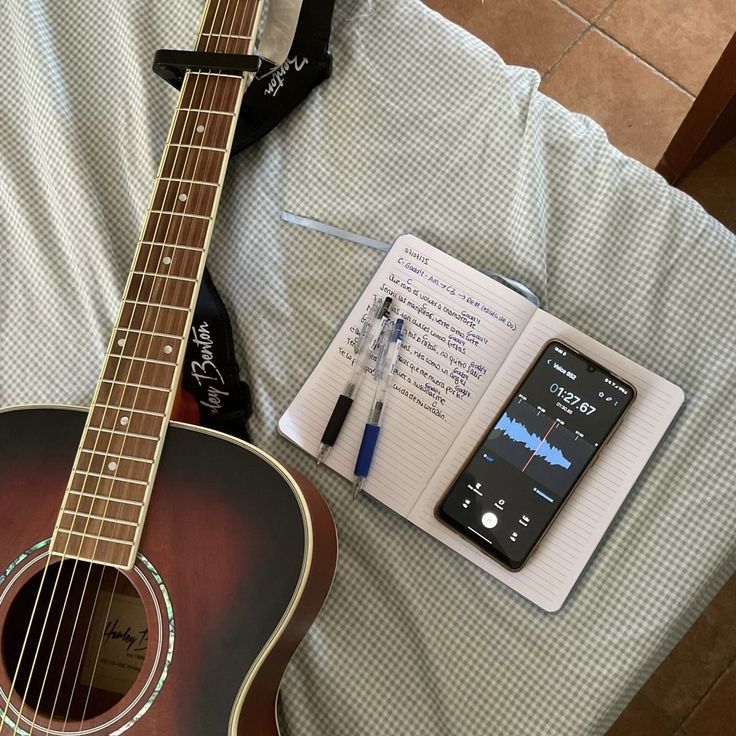
How to Begin your Guitar Journey
How to Begin Your Guitar Journey: A Realistic Guide for Beginners Starting a guitar journey is one of the most rewarding decisions you can make, but let’s be honest—the first few weeks are usually the hardest. In a world full of “master guitar in 7 days” ads, this guide uses the E-E-A-T (Experience, Expertise, Authoritativeness, Trustworthiness) model to give you the actual truth about picking up the instrument. 1. The “Callus Phase” (Experience) As someone who has spent hundreds of hours teaching students in Delhi, I can tell you that the first obstacle isn’t your talent—it’s your fingertips. The Physical Reality: Your fingers will hurt for the first two weeks. This is the “Callus Phase.” It is a rite of passage that every professional guitarist has gone through. The Clumsiness Factor: You will feel like your fingers are too short or too slow. This isn’t a permanent condition; it is just your brain building new neural pathways. The Teacher’s View: In my experience at Strumeasy, the students who succeed aren’t the most “gifted”—they are the ones who push past the initial physical discomfort. 2. Choosing the Right “Weapon” (Expertise) Choosing your first guitar is a technical decision that affects how long you’ll stay with the hobby. Acoustic vs. Electric: Most people think you must start with an Acoustic. That’s a myth. Electric guitars often have thinner strings and lower “action” (the height of the strings), making them easier for beginners to press down. The “Action” Check: When buying a guitar, look at how high the strings are from the wood. If they are too high, you’ll have to press twice as hard, leading to faster frustration. A low-action setup is essential for a beginner. Classical Guitars: These have nylon strings which are much softer on the fingers, making them a great choice for children or those with very sensitive hands. 3. A Structured Roadmap (Authoritativeness) To move from just “noodling” to actually playing music, you need a structured path. Randomly watching YouTube videos often leads to “learning gaps.” The “Big Three” Chords: Focus on G Major, C Major, and D Major first. These three chords alone allow you to play thousands of popular songs across almost every genre. Rhythm Before Leads: Everyone wants to play a solo, but rhythm is the heartbeat of music. Spend your first month mastering a steady 4/4 strumming pattern before you try to play a single fast scale. The Strumeasy Method: We emphasize learning the “why” behind the notes. Understanding basic music theory early on prevents you from feeling lost later in your journey. 4. Setting Honest Expectations (Trustworthiness) Trust is built on transparency. Here is the unfiltered truth about learning guitar: Consistency Over Duration: Practicing for 15 minutes every single day is 10 times more effective than practicing for 5 hours once a week. Your muscle memory builds while you sleep, not while you’re exhausted. Beware of “Magic” Fixes: Any app promising you’ll be an expert in 30 days is lying. Guitar is a lifelong journey of small, incremental wins. The “Plateau” is Normal: You will have weeks where you feel like you aren’t improving. This is normal. Stick to the routine, and the breakthrough will happen. Your Day 1 Checklist Get a Tuner: Tuning by ear is a high-level skill. Buy a clip-on tuner or download a free app immediately. Short Sessions: Limit your first few practices to 10-15 minutes to let your fingertips recover. Celebrate Small Wins: If you can switch from an Em chord to a G chord without stopping, you’ve already won the day. Ready to start your journey with professional guidance? Whether you prefer Group Classes, 1-on-1 sessions, or Home Tuition in Delhi, Strumeasy is here to help you play your first song. Would you like me to help you write the meta description and SEO tags for this blog post so it ranks better on Google?
How to Begin your Guitar Journey Read More »